Plan B is one of the easiest ways to prevent an unwanted pregnancy. It is inexpensive and easily available by prescription, and is convenient to take. However, Plan B is not a reliable form of contraception in case of ovulation. The reason for this is in the mechanism of action of Plan B.
Plan B is a combined hormone contraceptive drug that primarily inhibits ovulation. It does not block the fertilization of the egg cell and does not affect its further development and implantation. The mechanism of action is associated with a temporary suppression of the hypothalamic-pituitary system, reducing the surge of luteinizing hormone. This is why it is important to take Plan B before ovulation starts.
In fact, according to the article “The efficacy of levonorgestrel emergency contraception and the importance of timing of administration” published in the journal Contraception in 2011 by Brache et al., Plan B (levonorgestrel) is effective only if the administration is before the luteinizing hormone surge (PubMed). The drug is ineffective after the LH surge, which indicates the impossibility of suppressing ovulation by taking the drug after it has already occurred. Consequently, the effectiveness of Plan B is significantly reduced if a woman takes it ovulation day or after ovulation.
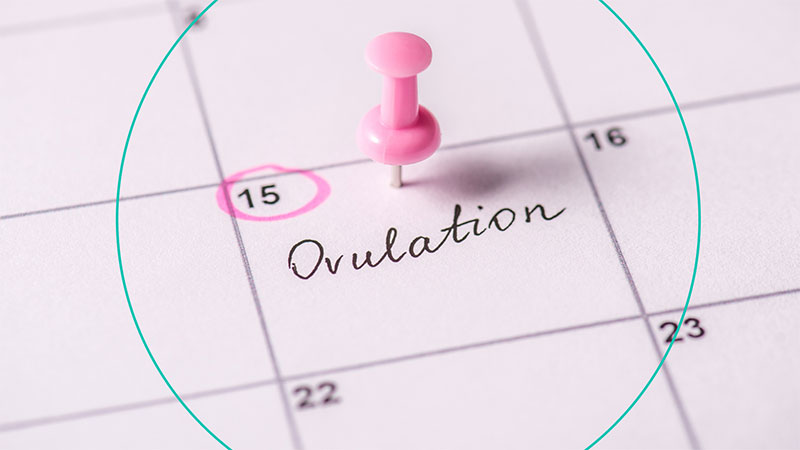
However, the beginning of ovulation is difficult to calculate for many women because it varies from cycle to cycle. On average, it starts on the 14th day of the menstrual cycle, but there are many factors that can affect this timing – stress, various diseases, ultrasound examination, or even a change in weight. In addition to that, women are known to ovulate at different times. Many have ovulation on day 12 or later on day 16. Only a blood test or an ultrasound scan can show exactly what day a woman is ovulating. Therefore, in practice, a woman may be unsure whether she is in the follicular phase of the cycle when Plan B is effective.
This aligns with the information from the Healthline source, which recommends consulting a doctor about other options for emergency contraception if a woman takes birth control pills during ovulation.
Healthline tells readers that Plan B is ineffective during ovulation. The same source recommends consulting your doctor if you want to take emergency contraception during or after ovulation, since Plan B’s mechanism of action is simply to prevent ovulation (Healthline).
Therefore, what alternative methods of emergency contraception are available to a woman who begins to take Plan B after ovulation has already started?
There are two main options in this case. The first is to use Ella (ulipristal acetate), which suppresses progesterone receptors and inhibits ovulation for up to five days after unprotected sex. According to an article published in Obstetrics & Gynecology , “Ella is associated with higher overall efficacy compared with levonorgestrel-containing regimens throughout the menstrual cycle, including around the time of ovulation” (PubMed). Another reliable method of emergency contraception is the insertion of a copper IUD (Paragard). It is a highly effective method with a failure rate of less than 1 percent. The copper ion creates a hostile environment for sperm movement and prevents pregnancy at all stages of development: from fertilization to implantation. The advantage of the copper IUD is that it can be inserted up to five days after unprotected intercourse. In addition, this type of contraception can be used repeatedly (up to 10 years).
To illustrate this, let’s imagine that a 30-year-old woman named Andrea had sex on what seemed like a safe day. Andrea took Plan B as emergency contraception 24 hours later but began to experience ovulation cramps that evening. Three weeks later, a pregnancy test confirmed her fears. The woman’s OB/GYN explained that Plan B was useless because she took it during ovulation. As for the second unplanned pregnancy, Andrea took Ella, which is a reliable method of emergency contraception. The doctor explained to her that Ella inhibits ovulation for several days, which was beneficial because Andrea could wait for her natural cycle to finish without planning another pregnancy.
In addition, it is important to emphasize that Plan B is not an abortion pill. Taking Plan B cannot cause an abortion or interfere with an already implanted fertilized egg. This information is consistent with all reputable sources, including FDA and WHO. Plan B is simply a contraceptive drug, which is why it is important to know the rules and timing of its use.
When is Plan B effective?
Plan B is effective if a woman takes it within 72 hours after unprotected sex and during the follicular phase of the menstrual cycle. According to the American College of Obstetricians and Gynecologists, Plan B is associated with an 89% reduction in pregnancy risk if taken within 72 hours of sexual intercourse (ACOG). Some sources indicate that Plan B may be effective up to 120 hours after unprotected sex, but this is only the case if a woman is not ovulating.
If a woman knows the day of ovulation on which she will fall pregnant because she monitors her ovulation with an LH test, this may help her determine the time for taking the emergency contraceptive.
After ovulation has occurred Consider other forms of emergency contraception such as ella or copper IUD.
On the day of ovulation In this case, Plan B is ineffective; it is recommended to use another method of emergency contraception.
Before ovulation has occurred Plan B is effective for preventing pregnancy and can be prescribed.
However, if a woman often has unprotected sex and misses the opportunity to take Plan B before ovulation, then it is worth paying attention to other methods of contraception. Emergency contraception should only be used in emergencies. It is much more effective to prevent unplanned pregnancy using regular birth control pills or an IUD. It is important to know how effective each contraceptive is, as well as which method is most convenient for the individual. We have discussed various ways of preventing unplanned pregnancy in our blog posts on Clomid for women and drugs for egg donation, and ways of buying them from an online pharmacy.